
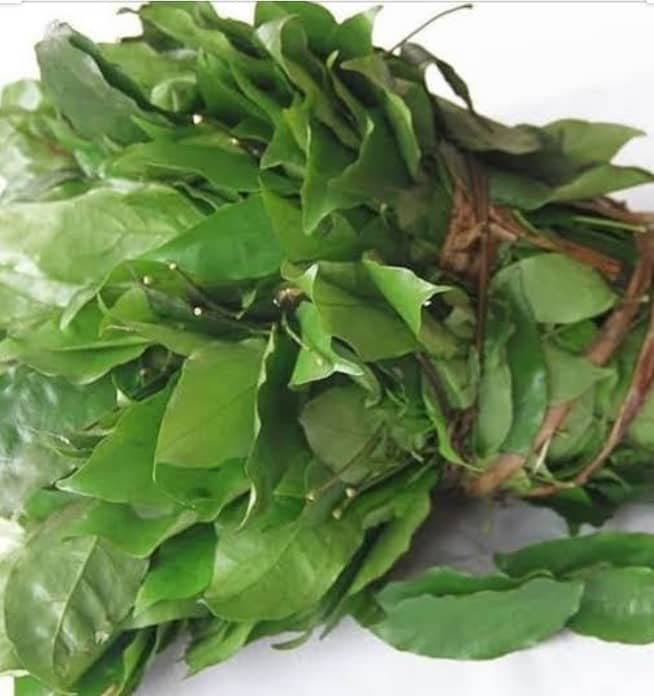
“Looking to elevate your culinary game? Say hello to the versatile and nutritious okazi leaf. This vibrant green leaf, also known as ‘afang’ or ‘eru’ leaf, is a powerhouse of flavor in African cuisine. Dive into a world where okazi leaf transforms ordinary dishes into extraordinary delights. Ready to explore the wonders of this exotic ingredient? Let’s embark on a flavorful journey with okazi leaf as our trusty guide.”

Exploring the Wonders of Okazi Leaf: A Nutrient-Packed Green Wonder
Welcome, curious minds, to a fascinating journey into the world of the Okazi leaf! Also known as Gnetum Africanum, this humble leaf holds a wealth of nutritional benefits and cultural significance that will leave you amazed. Let’s dive deep into the lush green world of Okazi leaf and uncover its secrets, one vibrant leaf at a time.
The Origins of Okazi Leaf
Okazi leaf, native to the lush rainforests of West Africa, has been a staple in traditional African cuisine for centuries. This nutrient-packed green wonder is harvested from the climbing shrub known as Gnetum Africanum, which thrives in the humid tropical climate of the region. The leaves are handpicked by local farmers, who have passed down the art of harvesting and preparing Okazi leaf from generation to generation.
Nutritional Benefits of Okazi Leaf
Donning vibrant shades of green, Okazi leaf is not only visually appealing but also a nutritional powerhouse. Rich in vitamins, minerals, and antioxidants, this leafy green offers a plethora of health benefits. From boosting immunity to supporting digestion, Okazi leaf is a versatile ingredient that can enhance your overall well-being.
Vitamins and Minerals
One of the key benefits of Okazi leaf is its high vitamin and mineral content. Packed with vitamins A, C, and E, Okazi leaf helps support healthy skin, eyesight, and immune function. Additionally, this green wonder is a good source of minerals such as potassium, calcium, and iron, which are essential for maintaining strong bones and overall vitality.
Antioxidant Power
Antioxidants are your body’s best defense against free radicals, harmful molecules that can damage cells and lead to chronic diseases. Okazi leaf is loaded with antioxidants like flavonoids and polyphenols, which help protect your body from oxidative stress and inflammation. Including Okazi leaf in your diet can help boost your antioxidant intake and promote long-term health.
Culinary Uses of Okazi Leaf
Okazi leaf is a versatile ingredient that can be incorporated into a wide range of dishes, adding a unique flavor and nutritional boost. In traditional African cuisine, Okazi leaf is often used in soups, stews, and sauces, imparting a rich, earthy taste to the dishes. Whether dried, ground, or fresh, Okazi leaf can elevate the flavors of your favorite recipes and introduce you to the vibrant world of African flavors.
Okazi Leaf Soup
One popular dish that showcases the goodness of Okazi leaf is Okazi leaf soup, a hearty and nutritious meal enjoyed across West Africa. Made with a flavorful broth, assorted meats, and fresh Okazi leaves, this soup is a comforting delight for the senses. With its blend of savory and aromatic flavors, Okazi leaf soup is a culinary masterpiece that highlights the versatility of this leafy green.
Okazi Leaf Salad
For a lighter and refreshing option, consider adding Okazi leaf to your salads for a nutritious boost. The tender leaves of Okazi can bring a unique texture and flavor to your salad creations, making them more vibrant and satisfying. Paired with fresh vegetables, nuts, and a zesty dressing, an Okazi leaf salad is a delightful way to enjoy the benefits of this nutrient-packed green.
The Cultural Significance of Okazi Leaf
Beyond its nutritional value, Okazi leaf holds a special place in the cultural traditions of West Africa. From ceremonial feasts to everyday meals, Okazi leaf is a symbol of community, heritage, and connection to the land. The preparation and sharing of dishes featuring Okazi leaf are rituals that bring people together and celebrate the abundance of nature.
Traditional Harvesting Practices
Harvesting Okazi leaf is not just a task; it is a time-honored tradition that requires patience and skill. Local farmers use sustainable methods to gather the leaves, ensuring that the plant continues to thrive in its natural habitat. The respect for the environment and the deep connection to the land are reflected in the careful harvesting practices that have been passed down through generations.
Celebratory Dishes
During special occasions and festivities, Okazi leaf takes center stage in celebratory dishes that symbolize abundance and togetherness. From weddings to harvest festivals, dishes made with Okazi leaf are shared among family and friends as a gesture of hospitality and goodwill. The flavors of Okazi leaf bring joy and warmth to these gatherings, creating lasting memories and strengthening bonds.
Embracing Okazi Leaf in Your Diet
Now that you’ve delved into the world of Okazi leaf and discovered its wonders, it’s time to bring this nutrient-packed green into your own kitchen. Whether you try your hand at cooking traditional African recipes or experiment with new culinary creations, Okazi leaf is sure to add a touch of vibrancy and nutrition to your meals. So, grab a bunch of fresh Okazi leaves and embark on a culinary adventure that celebrates the richness of nature and the flavors of Africa.
With its rich history, nutritional benefits, and cultural significance, Okazi leaf is truly a green wonder that deserves a special place on your plate. So, go ahead, savor the flavors, and nourish your body with the goodness of Okazi leaf!
Join us on this exciting journey through the lush rainforests of West Africa and discover the beauty and bounty of Okazi leaf. Let’s celebrate this vibrant green wonder and all the joy it brings to our hearts and our tables. Until next time, happy cooking and happy exploring!
HOW TO MAKE OKAZI SOUP. THIS SOUP NEVER FAILS TO IMPRESS EVERYONE.
Frequently Asked Questions
What are the health benefits of okazi leaf?
Okazi leaf, also known as Afang leaf, is rich in essential nutrients such as vitamins A and C, fiber, and antioxidants. Consuming okazi leaf can help boost immunity, improve digestion, and promote overall health and well-being.
How can okazi leaf be used in cooking?
Okazi leaf is a popular ingredient in traditional African cuisine, particularly in dishes like egusi soup and Afang soup. The leaf is usually chopped or ground and added to soups and stews to enhance flavor and nutritional value.
Where can okazi leaf be purchased?
Okazi leaf can be found in specialty African grocery stores, markets, or online retailers that cater to a diverse range of culinary needs. It is available fresh, dried, or ground, depending on personal preference and recipe requirements.
Final Thoughts
In conclusion, the versatile okazi leaf offers numerous health benefits and culinary possibilities. With its rich nutrient content and unique flavor profile, incorporating okazi leaf into your diet can enhance both the taste and nutrition of your meals. Whether used in soups, stews, or salads, this green leafy vegetable adds a delicious and healthy twist to your dishes. Embrace the goodness of okazi leaf and elevate your culinary experience today.

